Why Is My iPhone Back Glass So Difficult to Replace?
A shattered iPhone back glass is more than a cosmetic issue; it compromises the device's structural integrity and water resistance. Many owners, seeing seemingly simple DIY kits online, consider replacing it themselves. However, what looks easy in a sped-up video is one of the most challenging hardware repairs. Apple uses an incredibly strong, industrial-grade epoxy to fuse the back glass to the frame, a process designed for permanence, not easy removal. This adhesive, combined with the fragile nature of the glass and the proximity of critical internal components, creates a high-risk scenario for any amateur repair.
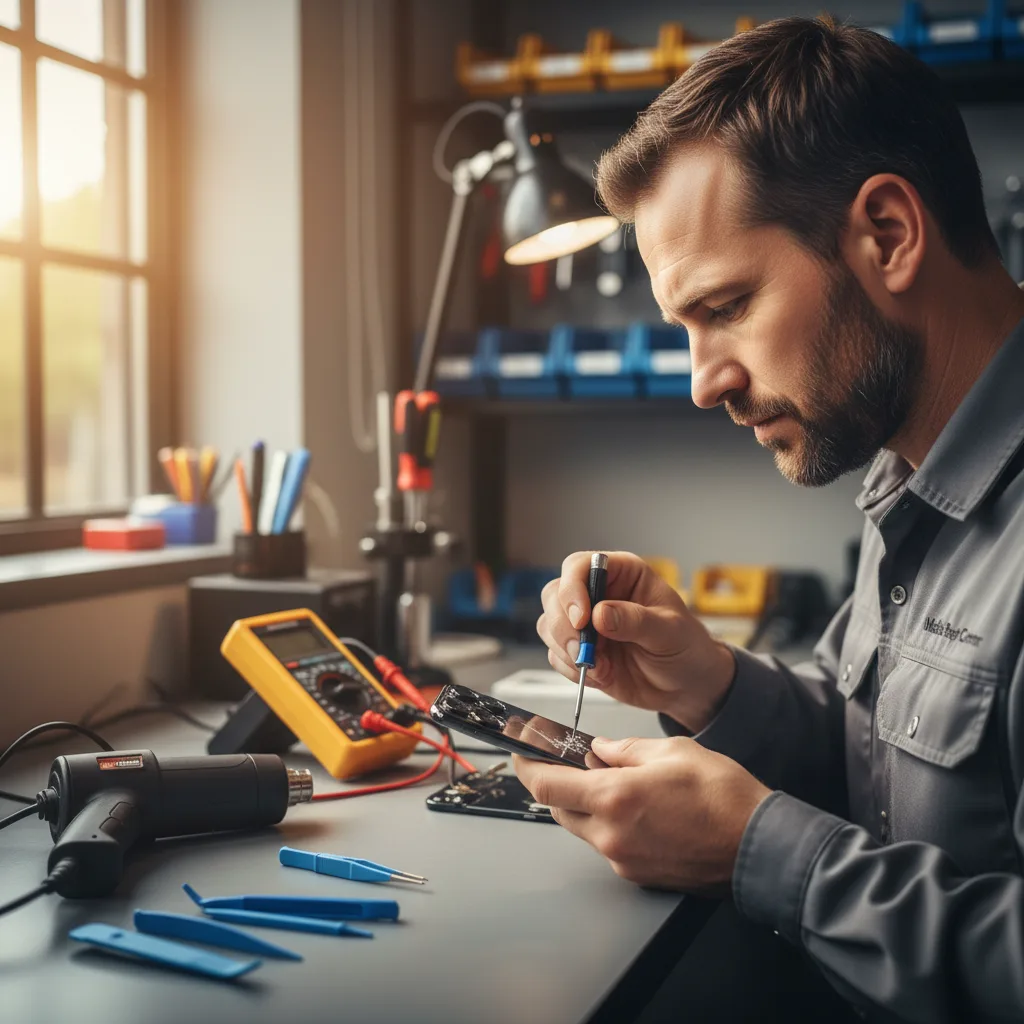
Unlike a screen replacement, which involves a few screws and connectors, the back glass is bonded across the entire rear surface. This requires specialized equipment to weaken the adhesive without damaging the phone's internals. For residents in a bustling area like Downtown LA, finding a professional who understands these complexities is far safer than attempting a risky home repair.
The #1 DIY Mistake: Improper Heat Application & Prying
The most common and catastrophic mistake DIY enthusiasts make during an iPhone back glass repair is the misuse of a heat gun and improper prying techniques. Online tutorials often suggest using a heat gun to soften the adhesive, but this is a delicate balancing act that almost always goes wrong for beginners.
The Dangers of Too Much (or Too Little) Heat
Applying excessive heat in an attempt to loosen the stubborn epoxy can have devastating consequences. The heat can easily travel through the metal frame and cause damage to other parts of the phone. Here are the common outcomes:
- Battery Damage: Lithium-ion batteries are extremely sensitive to heat. Overheating can reduce the battery's lifespan, cause it to swell, or, in worst-case scenarios, lead to a thermal event (fire).
- Screen Delamination: The OLED display on modern iPhones can be damaged by excessive heat, causing discoloration, yellow spots, or a complete failure of the screen.
- Component Failure: The heat can melt the plastic brackets holding cameras and sensors in place or damage the solder on the main logic board, leading to a much more expensive repair.
Conversely, not using enough heat means the adhesive remains rock-solid. This forces the DIYer to apply excessive pressure with prying tools, which inevitably leads to the next major problem.
Puncturing the Wireless Charging Coil
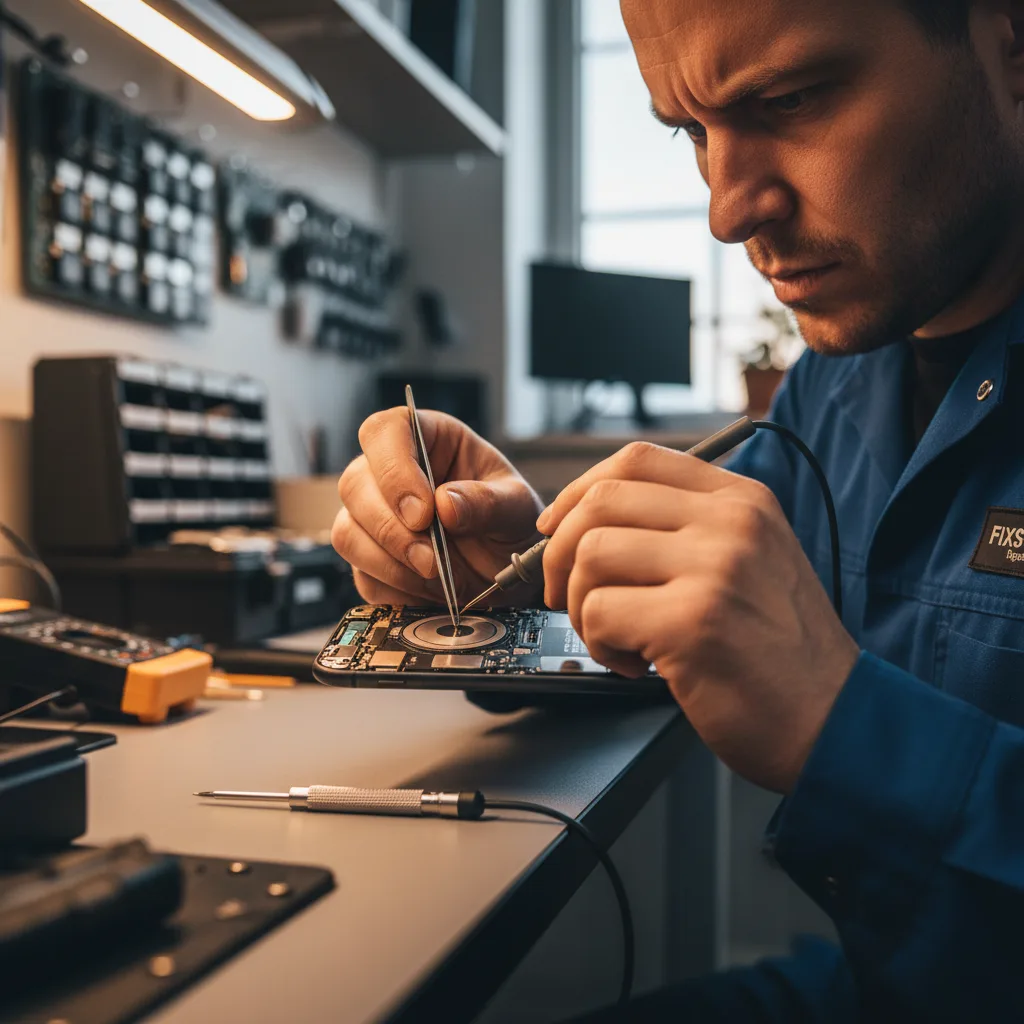
Directly beneath the back glass lies the thin, delicate wireless charging coil, which also houses the NFC antenna used for Apple Pay. When the adhesive won't give, beginners often switch to sharp metal tools to chip away at the glass. It is incredibly easy for a prying tool to slip and slice through or puncture this coil. A damaged coil means you can no longer use wireless charging or make contactless payments. This single slip turns a cosmetic repair into a functional downgrade, requiring a much more complex and costly fix.
How Do Professionals Replace iPhone Back Glass Safely?
Professional repair shops like FIXSTORY don't rely on imprecise heat guns for this task. We use specialized laser machines designed specifically for iPhone back glass removal. This technology is the key to a safe and successful repair.
- Precision Laser Removal: The laser machine scans the back of the iPhone and meticulously burns away the adhesive *underneath* the glass without generating significant heat. It is programmed to avoid critical areas like the camera lenses and the edges of the frame, ensuring no collateral damage.
- Safe Glass Removal: Once the laser has vaporized the epoxy, the shattered glass can be removed much more easily with gentle prying, drastically reducing the risk to the wireless charging coil and other components.
- Frame Cleaning and Preparation: After the old glass is removed, the technician thoroughly cleans the phone's frame, removing any residual adhesive or glass dust to ensure the new panel sits perfectly flush.
- Installation of OEM-Quality Glass: A new, high-quality back glass panel is fitted using strong, industry-standard adhesive, restoring the phone's original look and feel.
Why OEM-Quality Replacement Glass is Non-Negotiable
The quality of the replacement glass is just as important as the repair method. Many DIY kits come with cheap, aftermarket glass that has significant drawbacks.
The Pitfalls of Aftermarket Glass
Low-quality glass panels often have a poor fit, leaving gaps that allow dust and moisture to enter the device. The color and finish may not match the original Apple design, and the glass itself is often less durable, making it more susceptible to cracking again from a minor drop. Some cheap panels can even interfere with wireless charging signals. For a premium device, using a subpar part is a major compromise.
The FIXSTORY Commitment to Quality
At FIXSTORY, we exclusively use premium, OEM-quality back glass. This ensures that the replacement panel has the same strength, durability, and precise fit as the original. Your iPhone's structural integrity is restored, and the finish is indistinguishable from a new device. When you need a reliable Phone Repair in Los Angeles, choosing a shop that prioritizes quality parts is essential for a lasting solution.
Frequently Asked Questions about iPhone Back Glass Repair
Q: How long does a professional back glass repair take?
A: With specialized laser equipment, a professional back glass replacement can typically be completed within 2 to 4 hours. This allows for the precise laser process, careful removal of old glass, thorough cleaning, and proper curing of the new adhesive.
Q: Will my iPhone still be water-resistant after the repair?
A: While professionals use high-quality adhesives and seals to restore the device as close to its original condition as possible, no third-party repair can guarantee the original factory IP rating for water resistance. We recommend exercising caution around liquids after any major repair.
Q: Is it cheaper to repair the back glass or just trade in the phone?
A: In most cases, repairing the back glass is significantly more cost-effective than trading in a damaged phone. A broken back glass drastically reduces the trade-in value offered by Apple and other carriers. A professional repair restores the phone's value and extends its usable life for a fraction of the cost of a new device.