Why DIY iPhone Back Glass Repair Can Go Terribly Wrong
A cracked iPhone back is more than a cosmetic issue; it compromises the device's integrity and can lead to further damage. While DIY repair kits seem like a cost-effective solution, a single mistake can turn a simple fix into a complex and expensive problem. One of the most common and damaging errors involves the improper use of heat, which can permanently damage crucial internal components located just beneath the glass.
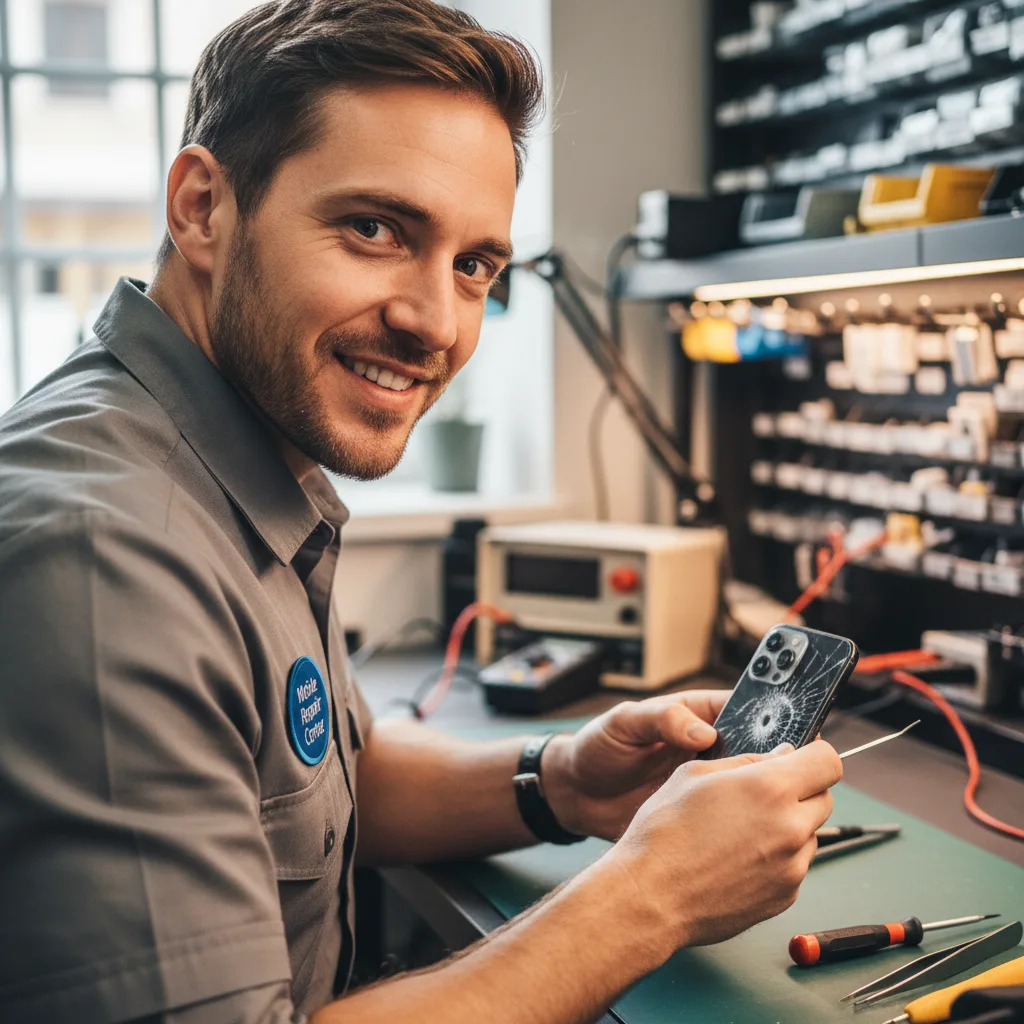
Many online tutorials suggest using a heat gun to soften the powerful adhesive holding the shattered glass to the frame. The goal is to make the glass easier to pry off. However, this is where many amateur repairs fail catastrophically.
The Critical Mistake: Overheating and Damaging the Wireless Charging Coil
What DIY kits don't adequately explain is the precise temperature control and knowledge of internal component layout required for a safe repair. The iPhone's MagSafe and wireless charging coil, along with the NFC antenna (used for Apple Pay), are situated directly under the back glass. Here's what happens when too much heat is applied:
- Melted Coils: The delicate copper windings of the charging coil can overheat, melting their protective enamel and causing a short circuit. This renders wireless charging completely non-functional.
- NFC Antenna Damage: The NFC antenna is equally sensitive to heat. Damaging it means you can no longer use tap-to-pay features.
- Battery Risk: Excessive heat applied near the lithium-ion battery is a significant safety hazard, posing a risk of thermal runaway or permanent capacity degradation.
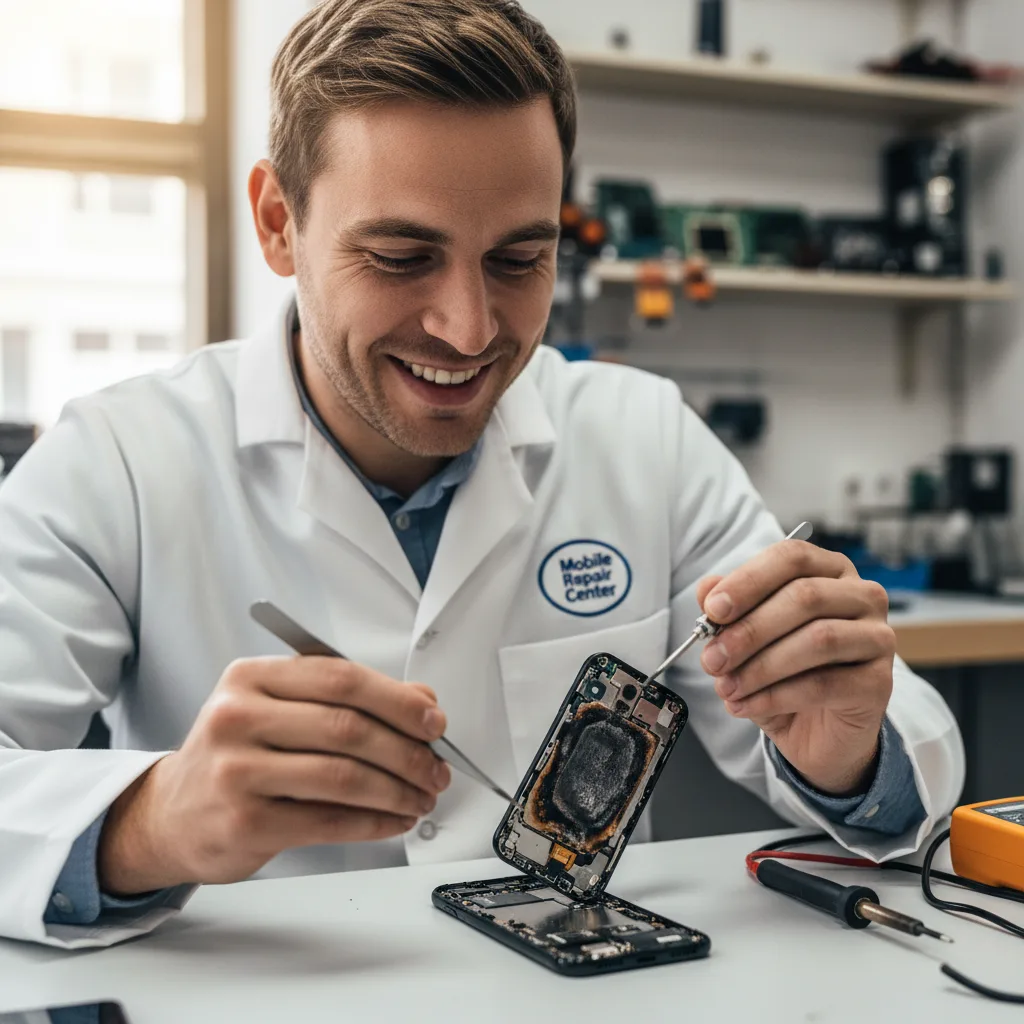
At our repair shop in Downtown LA, we've seen numerous iPhones arrive with perfectly replaced back glass but non-working wireless charging—a direct result of a botched DIY attempt. The cost to fix this secondary damage often exceeds the initial savings from the DIY kit.
How Do Professionals Fix iPhone Back Glass Safely?
At FIXSTORY, we eliminate the risk of heat damage by using state-of-the-art technology. We don't rely on imprecise heat guns. Instead, we use a specialized process that guarantees the safety of all internal components.
Step 1: Precision Laser Removal
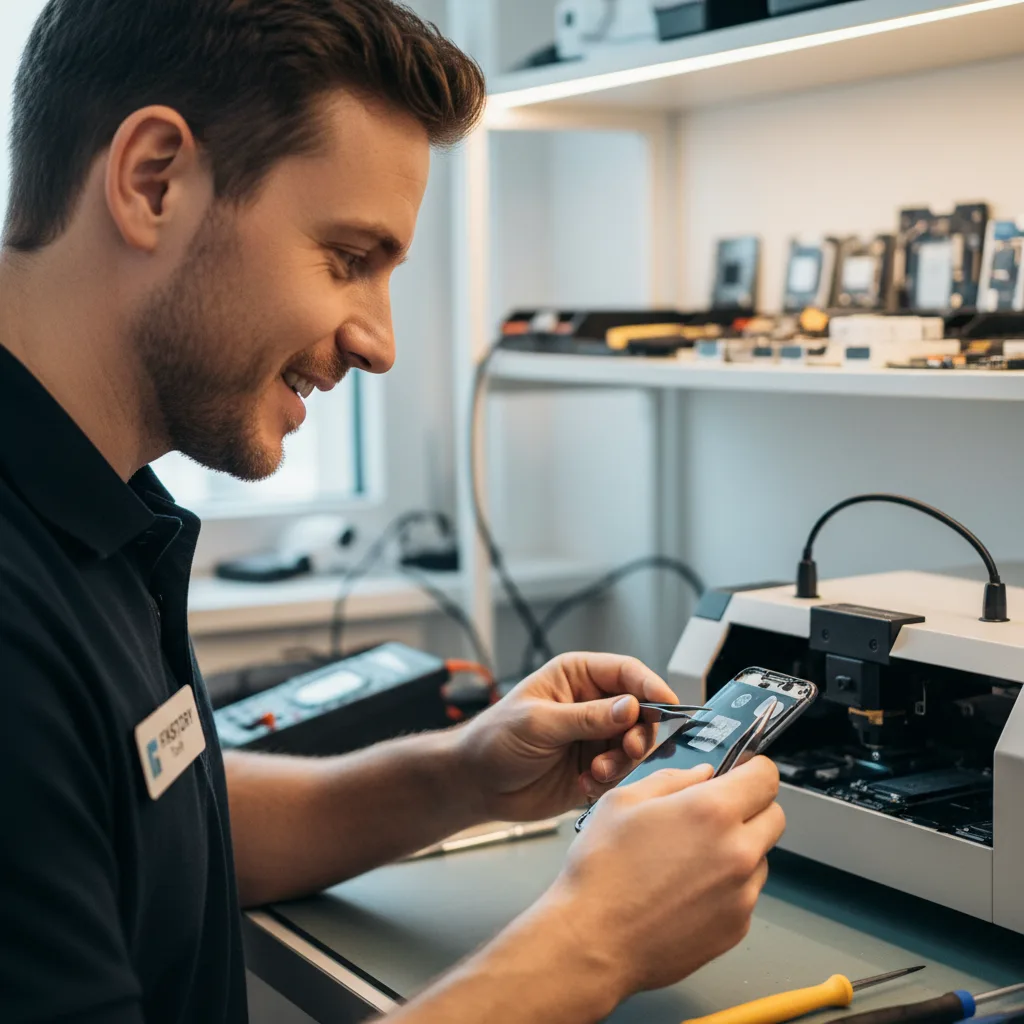
Our primary tool is a computer-calibrated laser machine. This machine targets and ablates (disintegrates) the adhesive layer between the glass and the frame without generating high temperatures that could harm the phone's internals. The laser is programmed with the exact layout of each iPhone model, ensuring it works around sensitive areas like the charging coil and camera housing with micron-level precision. This high-tech approach is the standard for professional iPhone repair in the industry.
Step 2: Meticulous Cleaning and Preparation
Once the laser has done its job, our technicians carefully remove the shattered glass shards. The iPhone's frame is then meticulously cleaned to remove any residual adhesive or microscopic glass particles. This step is crucial for ensuring the new back glass sits perfectly flush and maintains a tight seal.
Step 3: OEM-Grade Adhesion and Curing
We use a strong, OEM-grade adhesive to bond the new back glass to the frame. The new glass panel is perfectly aligned, and the device is placed in a specialized press to ensure a uniform, airtight bond as the adhesive cures. This process, performed by our experienced technicians in Los Angeles, typically takes about 2-3 hours from start to finish, restoring your iPhone to its original look and feel without compromising any functionality.
Frequently Asked Questions
Is it worth fixing the back glass on an iPhone?
Absolutely. A cracked back compromises the phone's structural integrity, exposes internal components to dust and moisture, and can cause painful cuts. A professional repair restores the phone's value, safety, and aesthetic appeal, and is almost always more affordable than replacing the entire device.
Does replacing the back glass affect water resistance?
When performed professionally, a back glass replacement includes the reapplication of seals to restore the device's water resistance to its original factory standard. However, no repaired phone should be considered fully waterproof. DIY repairs almost never successfully restore any level of water resistance.
Why is professional repair more expensive than a DIY kit?
The cost of professional repair covers not just the high-quality replacement part, but also the technician's expertise and the use of specialized equipment like our laser machine. This investment guarantees the repair is done correctly and safely, preventing the costly secondary damage that is common with DIY attempts.