
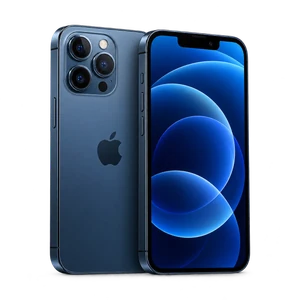
Whether you're selling your iPhone 13, troubleshooting a software issue, or starting fresh — a factory reset erases everything and returns your device to its original state. This covers iPhone 13, 12, 11 (all variants), iPhone X, XR, XS, XS Max, and SE (2nd & 3rd gen).
Settings → General → Transfer or Reset iPhone → Erase All Content and Settings
Back up before you reset. This permanently deletes all photos, messages, apps, and settings. There's no undo. Settings → [Your Name] → iCloud → iCloud Backup → Back Up Now
Reset from Settings
The standard method — works when your device is responsive and you know your passcode.
Settings → General → Transfer or Reset iPhone → Erase All Content and Settings
Enter your passcode → account password → confirm
Your device erases and restarts to the setup screen. Takes about 2–5 minutes.
Recovery Mode
Use this if your screen is frozen, the phone won't respond, or you've forgotten your passcode. You'll need a Mac or PC.
Connect to a computer with USB-C
Open Finder (Mac) or Apple Devices (Windows)
On the iPhone: Volume Up (quick) → Volume Down (quick) → hold Side button
Keep holding until the recovery screen shows up
Click Restore on your computer
Reset settings only — keep your data
Settings → General → Transfer or Reset iPhone → Reset → Reset All Settings
Resets Wi-Fi, display, and preferences. Apps and data stay. Worth trying before a full erase.
Force restart — no data loss
Volume Up (quick) → Volume Down (quick) → hold Side button until the Apple logo shows up.
Just a reboot. Nothing is erased. Try this first if it's frozen.
Will a reset fix my problem?
If it's software — slow after an update, apps crashing, random reboots, storage full — a reset will probably fix it. If it's hardware, it won't.
Software — reset helps
Sluggish after an update
Apps crashing or freezing
Random reboots
System data eating storage
Preparing to sell
Hardware — needs repair
Battery health below 80% (throttling)
Cracked back glass
Face ID / Touch ID failure
Green line on screen
Worn-out charging port
Quick test: reset, set up as new (skip the backup restore), and see if the problem returns. If it does — it's hardware.
eSIM
These models have both a nano-SIM tray and eSIM. Your physical SIM isn't affected by the reset.
Common questions
My iPhone 11 is really slow — should I reset?
Check Battery Health first (Settings → Battery). Below 80% means iOS throttles performance — a reset won't fix that.
Do all these models use the same steps?
Yes. Every iPhone from iPhone X onward uses the same Settings path and the same Recovery Mode buttons.
How long does it take?
The erase takes 2–5 minutes. Restoring from a backup adds 10 minutes to over an hour.
Still not working after a reset? It's probably hardware. We do free diagnosis at FIXSTORY — no appointment, no pressure.