
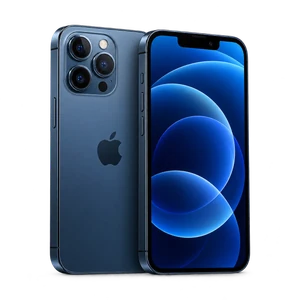
iPhone 18? We’ll Be Ready on Day OneScreen Replacement for the iPhone 18 Lineup — and What Early Repairs Will Cost
Apple’s next iPhone generation is around the corner — reporting points to the iPhone 18 Pro and Pro Max this fall, with the standard iPhone 18 to follow and, if the rumors hold, Apple’s first folding iPhone alongside them. Here is our commitment, made in advance: the moment iPhone 18 screens exist in the parts market, we will be replacing them at our Downtown LA bench. And because we would rather you hear it from us than discover it at the counter, here is an honest look at what first-year repair pricing always looks like — and why the foldable will be its own story entirely.
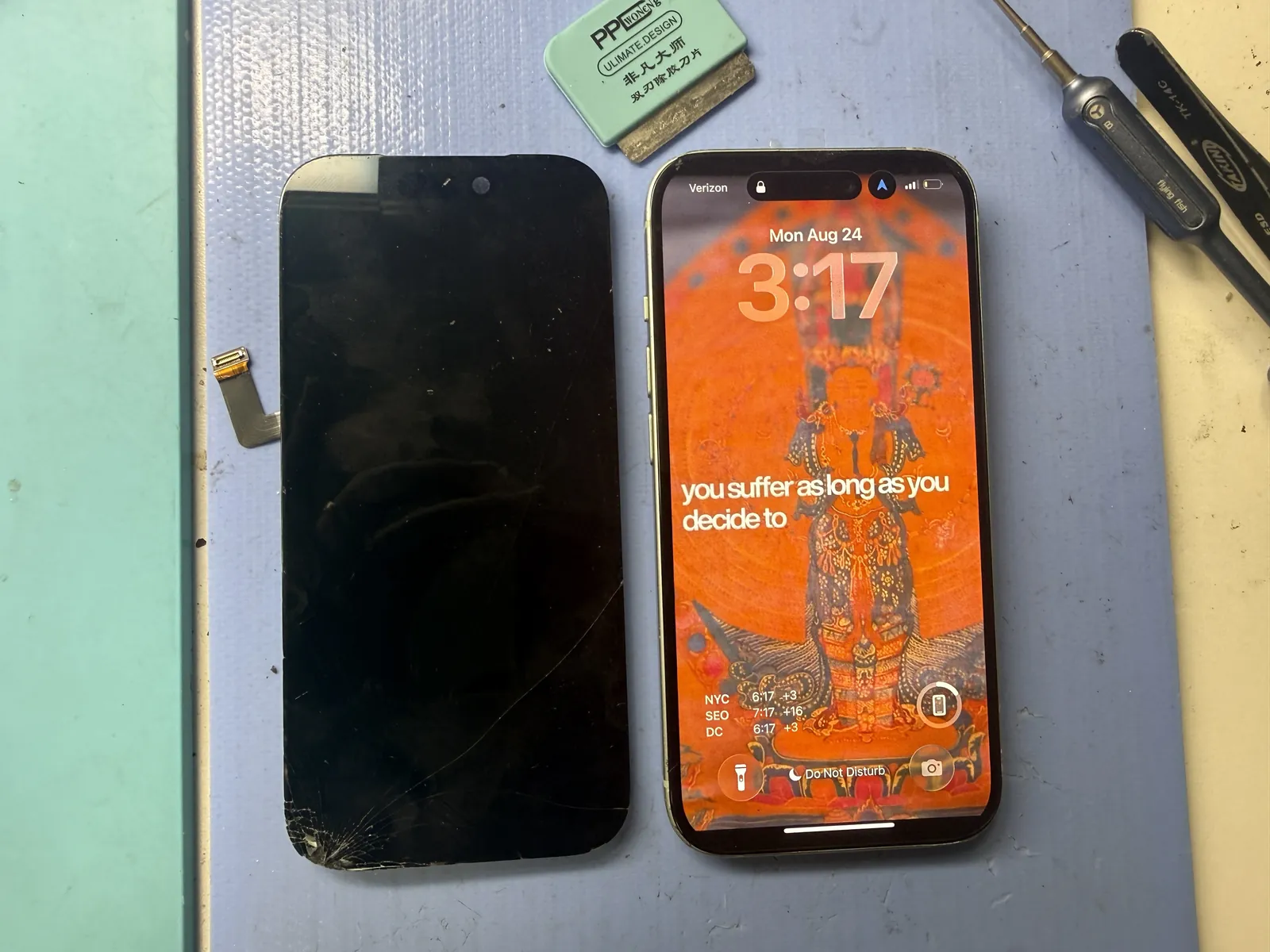
iPhone 18 screen repair as soon as parts ship
New-model parts always start expensive
Prices typically settle as supply matures
New iPhone, same-week repair capability
This is how we have handled every generation, and the iPhone 18 will be no different.
Every fall, the same scene plays out: someone drops a phone that is two weeks old. The case had not arrived yet, the screen protector was still in an Amazon box, and the panel is shattered. When that phone is an iPhone 18, 18 Pro or 18 Pro Max, we intend to be the shop in Downtown Los Angeles that can already fix it.
We secure new-model screens through the same vendor channels we use every generation — the suppliers we have bought from for years get the new panels first, and standing relationships are what get you inventory in the weeks when everyone is calling for the same part. Diagnostics, opening procedures and adhesive work are studied from the first teardowns, so when the first cracked iPhone 18 walks in, it is a repair, not an experiment.
Why first-year screen repairs cost more
It is not shops padding margins — it is how the parts market works for every new model. Three forces, all temporary.
Only original panels exist
At launch there is no aftermarket. The only screens available are OEM panels and units pulled from other phones — scarce, in demand, and priced accordingly. Every shop in the country is quoting from the same expensive supply.
Aftermarket takes months to arrive
Third-party OLED makers need time to reverse-engineer, tool up and ship panels in the quality grades customers expect. Until those lines are running, there is no cheaper option to offer — for anyone, anywhere.
The curve always comes down
As aftermarket OLED and LCD grades appear and OEM supply loosens, prices fall steadily. In our experience, roughly a year after launch pricing stabilizes into the familiar tiers — genuine, aftermarket OLED, aftermarket LCD — at a fraction of week-one cost.
About that folding iPhone
If Apple ships its first foldable, repair economics change in ways worth understanding before you buy one.
A folding screen is the most expensive part in the phone
A flexible inner OLED that bends thousands of times is an entirely different — and far more costly — component than a flat panel. On existing foldables from other brands, the inner display alone can cost as much as an entire midrange phone, and a device rumored to launch around the $2,000 mark will not be cheaper to source for.
Two screens, one hinge, zero shortcuts
A foldable is effectively two displays plus a precision hinge, with a flexible panel that cannot be handled like glass. Repairs take longer, parts will be scarce for a long time, and the margin for error is smaller. Expect foldable screen repairs to cost several times a regular iPhone screen — that will be true industry-wide, not just at our bench.
If you buy one, protect it
For a first-generation foldable, coverage like AppleCare+ genuinely makes sense in year one — and that is a repair shop telling you this. Once out-of-warranty pricing and parts supply settle, independent repair becomes the sensible route, and we plan to be doing foldable screen and hinge work as soon as reliable parts exist. Until then, use the case, mind the crease, and keep sand out of the hinge.
Buying an iPhone 18 this fall?
Three practical takeaways from people who fix these for a living.
The first year is the expensive year
Put a case and a screen protector on the phone before you leave the store — the first months are exactly when a cracked screen hurts most. If you do break it early, get a quote before assuming it is unaffordable: pulled-panel pricing moves week to week, and we quote from live parts costs, not a fixed early-adopter penalty.
And if you are holding an iPhone 15, 16 or 17 with a cracked screen right now — this is the era when your repair is cheap. Parts for current models are plentiful and stable, which is the whole point of the price curve above.
iPhone 18 repair, answered early
The questions we expect at the counter this fall — answered before the phones exist.
Will you really repair iPhone 18 screens at launch?
As soon as screens physically exist in the parts market, yes — typically within the first weeks after release. Availability in the very first days depends on supply, so call ahead and we will tell you honestly whether your model’s screen is in hand or days out.
Why is a new iPhone’s screen repair so expensive at first?
Because only original and pulled panels exist at launch, and they are scarce. Aftermarket manufacturers need months to produce alternatives. Once they do, prices drop — in our experience stabilizing roughly a year after launch into the usual genuine / aftermarket OLED / aftermarket LCD tiers.
Should I wait to repair a cracked iPhone 18, then?
If the crack is cosmetic and the touch works, waiting a few months can genuinely save money — and we will say so when that is the case. If glass is lifting, touch is failing, or the crack is spreading, repair sooner: a failing screen tends to take the repair from “screen” to “screen plus more.”
How much will the foldable iPhone cost to repair?
Nobody can quote it before it exists, but physics and precedent both say: a lot. Folding inner displays are the most expensive single component on any foldable phone, and early parts will be scarce. For year one we honestly recommend coverage like AppleCare+ on a foldable; independent repair becomes the smart option once parts supply matures — and we intend to offer it.
Do you repair the current iPhone models while all this happens?
Every day — iPhone 17 and older are our bread and butter, with screens, batteries, charging ports and board-level repair done in-house at our Downtown Los Angeles shop. Current-model parts are stable and affordable right now, which makes this the cheapest time to fix an older phone.
Breaking news, literally
Whenever the iPhone 18 arrives — and whenever the first one hits a sidewalk in Downtown LA — we’ll be ready. Until then, every current iPhone, iPad and tablet is welcome on the bench. Diagnosis is free, walk-ins welcome.